Preserve and Enhance Your Deck: Professional Deck Staining Services You Can Depend On
When it pertains to preserving a deck, expert staining solutions provide a trustworthy solution. These specialists comprehend the intricacies of different wood types and local climates, ensuring superior view resource protection and visual appeal. By selecting skilled professionals, homeowners can prevent typical mistakes and conserve valuable time. However, selecting the right service can be challenging. Knowing what to identify is vital to achieving enduring outcomes. The path to a beautifully stained deck begins here.
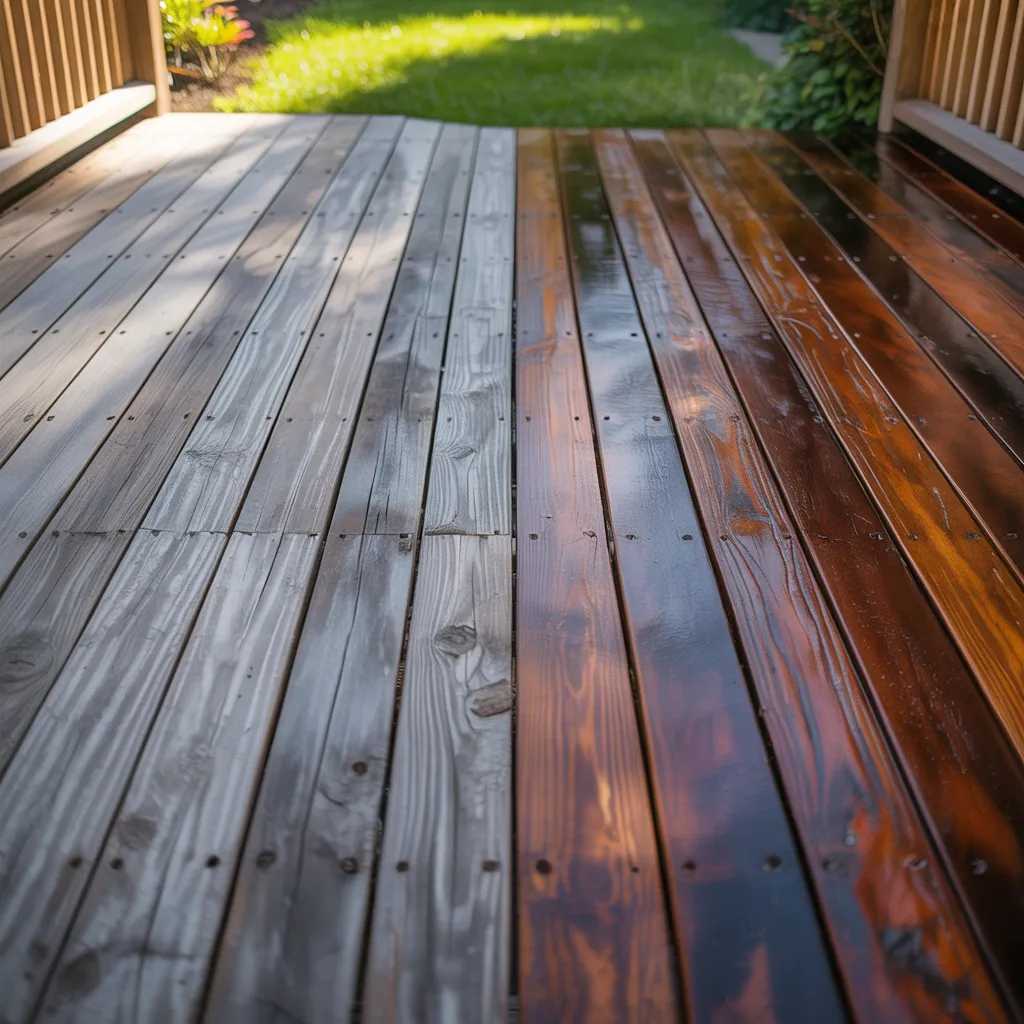
Why You Should Employ Experts for Deck Staining
When evaluating deck staining, homeowners often underestimate the importance of hiring professionals. Engaging specialists ensures a superior finish, as they possess the required skills and experience to work with different wood types and conditions. Professionals know the complexities of choosing the right stain, considering factors like wood porosity and local climate. In addition, they have access to specialized tools and equipment that make the process more smooth and optimal.
Furthermore, professionals can help homeowners conserve their time and energy, permitting them to focus on other significant duties. They are also skilled in safety protocols, lowering the risk of mishaps during the staining procedure. By engaging professionals, homeowners can secure durable outcomes that improve their deck's aesthetic quality and durability. Ultimately, the commitment in professional expertise can produce a elegantly finished deck that not only appears attractive but also offers protection against the elements for a long time.
Prevent These Routine Deck Staining Oversights Before You Launch
Many homeowners make important mistakes with deck staining that lead to subpar results. One frequent error is failing to prepare the surface properly. Insufficient cleaning traps dirt and debris, blocking the stain from adhering well. Choosing the wrong stain type is another error; applying an oil-based stain where a water-based one is needed causes peeling and unevenness. Additionally, staining in direct sunlight is not advised, as it results in the stain drying too quickly and creating blotches. Many people overlook the need to apply multiple thin coats rather than one thick coat, which can weaken the durability. Lastly, not allowing proper drying time between coats compromises the finish’s integrity. Avoiding these mistakes helps homeowners achieve a more efficient and durable deck staining project.
Preparing Yourself for The Deck Staining Process
When pondering deck staining, people can expect a detailed preparation process that encompasses surface cleaning to guarantee optimal results. Following this, the staining process requires applying the chosen product evenly for a durable finish. Understanding these steps can help establish realistic expectations for the project.
Getting Ready and Surface Cleaning
old sealant through power washing or scrubbing. Professionals may use advanced cleaning products to eliminate mildew, algae, and other contaminants
The Coloring Procedure Overview|Dyeing Technique Breakdown|An Introduction to the Staining Application|Tinting Method Basics|Learning about the Coloring Procedure
The wooden deck staining procedure moves through several well-defined steps that guarantee a seamless and efficient result. At first, the expert team examines the deck for any damage or areas requiring repair.|At first, the expert team checks the deck for any damage or areas in need of repair.|Initially, the expert team inspects the deck for any damage or areas that need fixing.|At the start, the expert team inspects the deck for any problems or areas requiring repair. Once the surface is ensured to be clear and dry, they choose a high-quality stain fitting for the wood type and desired finish. Application begins with edging, followed by using a roller or spray painting the stain evenly across the deck boards.|The application begins with edging, followed by rolling or spraying the stain evenly over the deck boards.|Applying begins with edging, then rolling or spraying the stain evenly across the deck boards.|Applying the stain starts with edging, followed by using a roller or spraying on the stain evenly over the deck boards. They take care to avoid puddling and ensure an even coverage. Once the first layer dries, an additional coat may be added for extra protection and richer color. Lastly, the team gives instructions on drying periods and maintenance, ensuring the deck remains lovely and well-protected for the future.
Strategies for Selecting the Most Suitable Deck Staining Service for Your Home
Selecting the right decking stain provider can seem daunting, especially with so many options available. To choose wisely, homeowners should start by investigating nearby businesses and reading customer reviews. A reputable service will have a portfolio showcasing their past projects, allowing potential clients to assess style and quality.
Next, it's crucial to inquire about the varieties of finishes and sealants applied, as well as the application techniques used. This ensures that the picked provider fits with the homeowner's preferences for durability and aesthetics. Additionally, obtaining several quotations can offer insight into cost and benefits.
Finally, assess the company's track record and whether they offer warranties for their work. Picking a service with a solid track record and transparent communication will ultimately produce a more satisfying deck staining experience. By following these steps, homeowners can confidently pick a service that addresses their needs and upgrades their outdoor space.
The Advantages of Using High-Quality Stains and Sealants
Putting money into superior stains and sealants can significantly enhance the longevity and appearance of a deck. These superior products offer critical protection against moisture, UV rays, and temperature changes, which may cause wood bending and decay over time. By creating a solid barrier, high-quality stains and sealants help prevent mold and mildew growth, providing a cleaner surface that is easier to maintain.
Plus, upscale finishes often contain pigments that enhance the wood's natural splendor, magnifying colors and drawing attention to wood texture. This not only improves the presentation but also adds value to the property. Quality-focused materials typically present superior grip and extended effectiveness, decreasing the frequency of reapplication. Ultimately, choosing these top-notch products can bring about noteworthy financial advantages in ongoing expenses while preserving the deck's structural integrity and visual beauty. Investing in quality is a wise option for any house owner endeavoring to shield their outdoor space.
How Often Should You Re-Stain Your Deck?
How frequently should homeowners plan to re-stain their decks? Usually, it is recommended to re-stain a deck every two to three years, although several factors can impact this timing. The type of wood, climate conditions, and stain quality all have crucial roles in determining the necessary frequency. In locations with severe weather, like intense sunlight or heavy rain, more frequent re-staining may be required to safeguard the wood from damage. Homeowners should also look out for signs of wear, such as discoloration or water absorption, which signal that the protective layer has diminished. Regular maintenance inspections can help in evaluating these conditions, ensuring that the deck remains in prime shape. Ultimately, staying proactive about re-staining can prolong the deck’s lifespan and preserve its aesthetic appeal, making it a worthwhile investment for homeowners.
Guidelines for Maintaining Your Newly Finished Deck Looking Great
To guarantee a newly stained deck keeps its beauty and durability, homeowners should establish a few critical care practices. Regular cleaning is vital; using a sweeper or leaf blower to remove debris avoids mold and mildew buildup. A gentle wash with sudsy water can erase dirt without damaging the stain.
Homeowners ought to likewise steer clear of using potent chemical solutions, as these can wear away the protective coating. Instead, going with a pH-balanced cleaner will preserve the stained surface.
In addition, positioning mats at entry points minimizes dirt and moisture tracked onto the deck. This basic step can meaningfully extend the life of the stain.
To summarize, periodic inspections for evidence of degradation or fading allow for preventive maintenance, ensuring the deck remains vibrant and well-protected. By following these suggestions, homeowners can experience a splendid and robust deck for generations to come.
Commonly Raised Questions
What represents the Typical Duration for Deck Staining Completion?
Staining a deck typically requires 1-2 days to accomplish, subject to the dimensions of the deck and atmospheric conditions. Thorough preparation and drying time are critical for attaining superior results and finish durability.
Can I Stain My Deck After It Rains?
Applying stain to a deck right following rainfall is not advisable. The deck should be completely dry to ensure correct bonding and soaking of the stain, generally requiring a period of 24 to 48 hours after it rains.
What Groundwork Is Essential Before Treating My Deck?
Prior to staining a deck, you should clean it thoroughly, making sure all dirt and debris are eliminated. Allow the surface to completely dry and inspect for loose boards or damage that may need repair.
What eco-friendly treatment possibilities are on the market?
Yes, many green finish options are available, such as water-based finishes and those composed of natural oils. These solutions minimize harmful chemicals, leaving them safer for the natural world while successfully safeguarding and improving the deck appearance.
Does Treating Your Deck Reduce Mold and Mildew?
Deck staining can greatly minimize the danger of mold and mildew by establishing a moisture-resistant layer against water exposure. This barrier keeps wood dry, inhibiting the growth of unwanted fungi and promoting longevity.